
The Idea: A Startup That Outgrew Itself
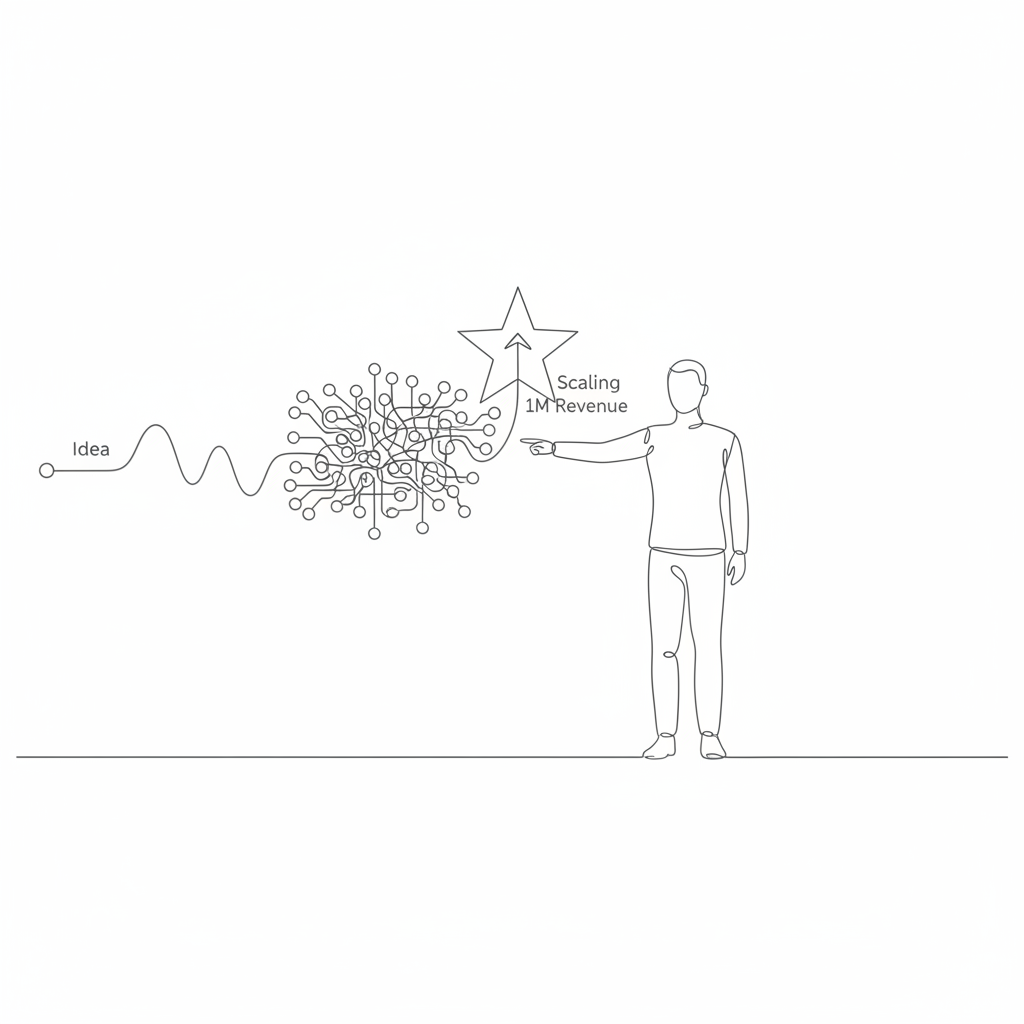
What began as a lean startup - a simple platform for reviewing local restaurants and bars - quickly revealed a much larger opportunity. As users engaged, reviews evolved into conversations, social connections formed, and places became hubs of interaction rather than static listings. The product grew into a full social ecosystem with chats, communities, friendships, media sharing, search, and direct business engagement. Organic user behavior shaped the platform’s direction and confirmed product-market fit.
What Was Built
The primary challenge was scale and system maturity. The focus shifted from feature development to architecture, performance optimization, and long-term stability across multiple regions. This transition required leading technical strategy, designing scalable infrastructure, and guiding the product from startup foundations to a production-grade platform.
Distributed Microservices BE Engineered the core logic handling high-velocity user data, 15+ complex content feeds, and real-time social interactions.
Main Mobile App Portal A feature-rich UIKit-based mobile application acting as the primary portal for users to interact, review, and connect socially.
Web Landing Pages & Advertisement Platform A high-performance frontend for restaurant landing pages and a data-driven advertisement management platform.
NTAG Hybrid Mobile App A dedicated mobile app used to encode and decode NTAGs, connecting physical locations with digital experiences.
Scraper & Data Enrichment Engine An automated system that discovers new places, validates information, and keeps the platform’s data up to date.
Supported By Technology Stack
My Role & Responsibilities
As the Solution Architect, CTO, and lead infrastructure maker, I guided the project from its startup roots to its enterprise-scale reality, building the team and the technical roadmap, and developing the infrastructure and most complex components.
- Architecture Design. Crafted the microservices blueprint to handle complex social interactions and high-volume data scrapers.
- Core Development. Implemented the mission-critical backend modules and infrastructure components from the ground up.
- Technical Leadership. Established code standards, hiring practices, bulding the team, and mentoring the engineers.
- Performance Optimization. Drastically improved feed loading times and search engine efficiency to support 15+ content feeds.
- Infrastructure Automation. Built and maintained the automated deployment pipelines on GCP, ensuring safe and frequent releases for multiple environments.
Major Achievements
- Successful Expansion: Successfully scaling the platform to cover all places in North and parts of South America.
- Social Graph: Implementing complex relationships, followers, and real-time interactions.
- Physical Location Integration: Seamless implementation of NTAG 424 for hybrid physical-digital user experiences.
- Infrastructure: Building a robust, multi-environment setup on Google Cloud Platform.
Lessons Learned & Practical Takeaways
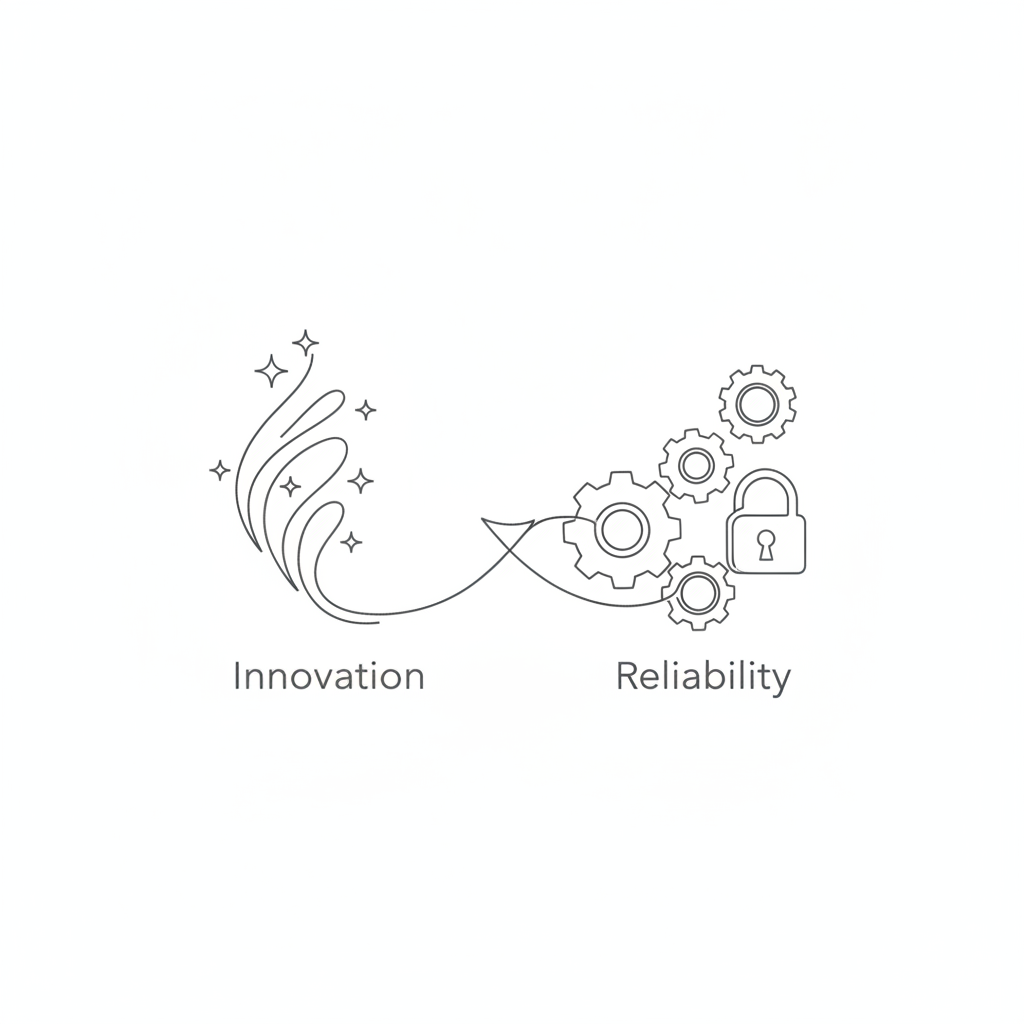
Early architectural decisions matter. Early architectural decisions matter more than initial feature speed. Investing time in clear service boundaries and deployment automation reduced long-term risk and enabled faster iteration later.
Not all growth is predictable. Usage patterns, content volume, and engagement behaviors evolved differently than expected, reinforcing the importance of designing for elasticity and rapid adaptation.
Clear ownership prevents bottlenecks. Defining responsibility at both the system and team level significantly improved delivery speed and reduced operational friction.