The Transformation: From Fuel Engines to Smart Energy
This project represents a major strategic shift for a fuel engine industry leader - moving into the smart battery ecosystem. The goal was to build a comprehensive IoT core capable of managing hundreds of thousands of devices, providing real-time control, and ensuring secure communication across a complex network of producers, rentals, and end customers.
What Was Built
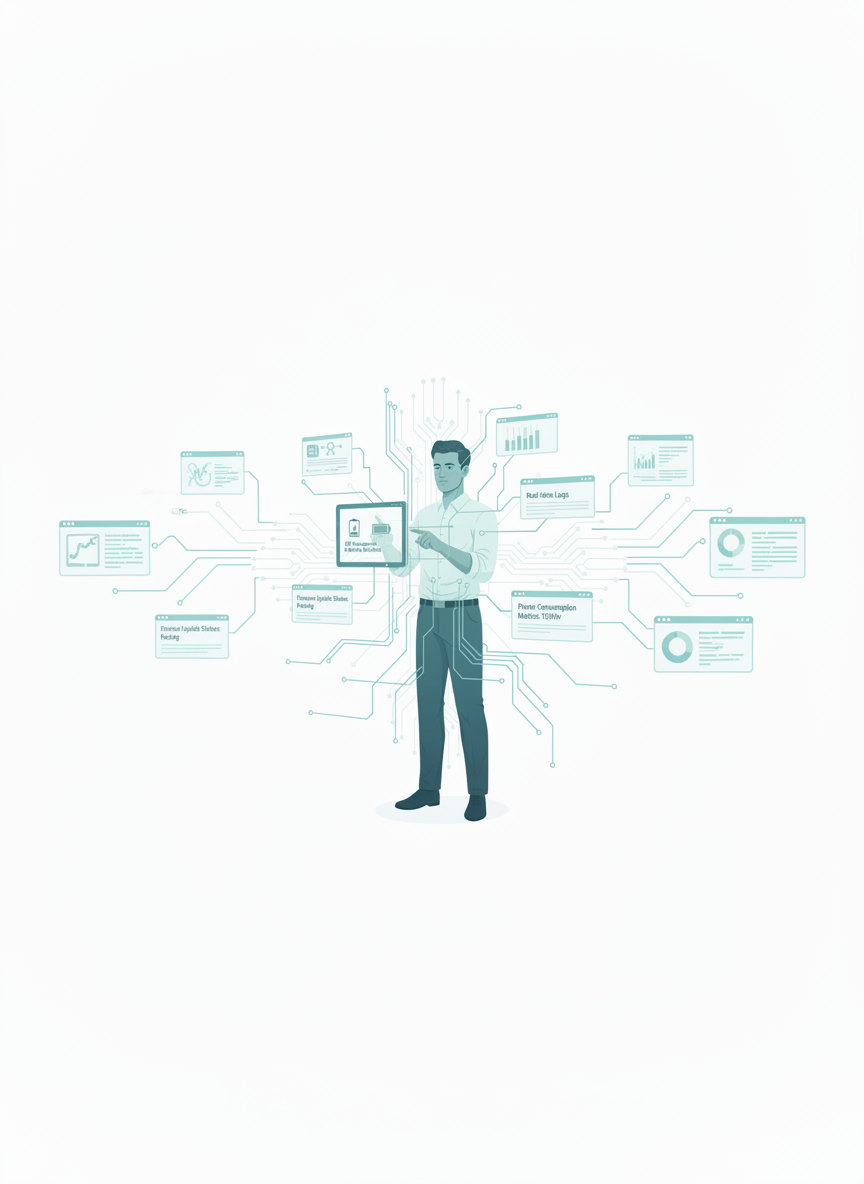
We engineered a high-load IoT infrastructure focused on hardware versioning, real-time telemetry, and multi-tier access control. The system allows seamless management of smart batteries from installation to long-term monitoring.
High-Load IoT Core A resilient backend structure using Google IoT Core and Pub/Sub to handle massive telemetry data and structured device communication.
Real-Time Management Portal A Flutter-based application for monitoring battery health, managing workloads, and providing remote control over hardware devices on the fly.
OTA & Firmware Lifecycle A stable flow for upgrading battery software over-the-air, ensuring hardware fleet consistency and rapid security patching.
Universal Integration Protocol Development of a secure, standardized protocol for seamless communication between smart batteries and a wide range of electric tools.
Supported By Technology Stack
My Role & Responsibilities
As the Team Lead for both Architecture and Development, I took full ownership of the technical roadmap and established the engineering culture required for such a high-stakes hardware-software integration.
- Architecture Mastery. Designed the end-to-end IoT core and the secure multi-tier permission system for producers and rentals.
- Core Development. Led the implementation of the telemetry processing engine and the firmware versioning system.
- Team Leadership. Built and mentored a team of 10 engineers, fostering a culture of rigorous code inspection and stable delivery.
- Database Engineering. Crafted a flexible, high-performance schema in Firestore and BigQuery to handle modulated statistics.
- Process Excellence. Established robust CI/CD pipelines and automated testing for both cloud and hardware-facing components.
Major Achievements
- Market Impact: Successfully powered the production of over 500k smart batteries currently in the field.
- Industry Partnerships: Secured technical integrations and contracts with the five largest electric tool producers.
- System Resilience: Built a stable, production-grade architecture capable of handling high-velocity data without downtime.
- Unified Ecosystem: Created a universal protocol that allows batteries to interact with diverse hardware from different manufacturers.
Lessons Learned & Practical Takeaways
Design for Visibility. In high-load IoT, you can't fix what you can't see. Advanced logging and telemetry structured for rapid querying in BigQuery are non-negotiable.
Permissions as Product. Handling producers, distributors, and rental companies in one system requires a "permission-first" mindset. The security schema is as important as the feature set.
Remote-First Reliability. When managing 500k physical devices, the OTA update flow must be bulletproof. A failed firmware roll-out is a physical liability, not just a software bug.